
For commercial and industrial sites, sewer problems rarely happen at a convenient time. A blocked or overflowing sewer can disrupt operations, restrict access, create unpleasant working conditions and, in more serious cases, cause flooding or environmental problems.
The difficulty is that many sewer problems develop gradually. Silt, grease, debris and other materials accumulate within the system until its capacity is reduced enough for a relatively minor event to cause a blockage or overflow.
Regular commercial sewer cleaning and maintenance can help identify and remove these problems before they become an emergency.
For businesses responsible for busy commercial premises, industrial sites, transport depots and other high-use facilities, a planned approach to sewer maintenance can be considerably more effective than simply responding when something goes wrong.
What Is Commercial Sewer Cleaning?
Commercial sewer cleaning involves removing accumulated material from sewer and drainage systems to maintain the effective flow of wastewater.
Unlike many domestic drainage systems, commercial sites can have extensive drainage infrastructure serving large buildings, yards, vehicle areas and industrial processes. The volume and type of material entering those systems can also vary considerably.
Depending on the site and the nature of the problem, sewer cleaning may involve techniques including:
- High-pressure water jetting
- Vacuum tanker operations
- Removal of silt, sludge and debris
- Cleaning manholes and associated drainage infrastructure
- CCTV inspection and surveying
- Cleaning interceptors and associated systems
- Wet well cleaning and maintenance
The appropriate method depends on the condition of the system, the material that needs removing and the accessibility of the affected infrastructure.
Why Do Commercial Sewers Become Blocked?
A sewer does not necessarily need to be completely obstructed before it starts causing problems.
Material can gradually accumulate on the sides and bottom of pipes, reducing their effective diameter and restricting flow. During periods of heavier use or rainfall, the reduced capacity can then become apparent.
Common causes of commercial sewer blockages include grease and fat, particularly around premises involved in food preparation or processing; silt and sediment washed from yards and vehicle areas; and general debris entering the drainage network.
Depending on the site, other materials associated with commercial or industrial activities may also find their way into the drainage system.
The problem is often cumulative. A drainage system may appear to operate normally for months while deposits continue to build below ground.
The Warning Signs That Sewer Cleaning May Be Required
Some sewer problems occur suddenly, but others provide warning signs.
Businesses and facilities managers should pay attention to recurring slow drainage, unpleasant smells around drains or manholes, wastewater backing up, unusually high water levels within manholes and repeated localised blockages.
Standing water or poor drainage around yards can also indicate that a system is struggling to cope effectively.
A blockage that repeatedly returns after being cleared deserves particular attention. Treating the immediate obstruction may restore flow, but it does not necessarily identify why the problem keeps occurring.
In these circumstances, further investigation may be required.
Why Preventative Sewer Maintenance Matters
Waiting for a sewer to become completely blocked can turn what might have been routine maintenance into an operational emergency.
For a busy commercial site, the consequences can extend beyond the drainage system itself.
Flooding can prevent employees or vehicles from accessing parts of a site. Wastewater can affect working areas. Emergency work may need to be arranged at short notice and other activities may have to stop while the problem is addressed.
There may also be environmental implications where contaminated water escapes from the drainage network.
Planned maintenance changes the emphasis from reacting to failure to reducing the likelihood of failure occurring in the first place.
How High-Pressure Water Jetting Helps Keep Sewers Clear
High-pressure water jetting is one of the techniques that can be used to clean commercial drainage and sewer systems.
Water is delivered through specialist jetting equipment to break down and remove deposits within the pipework. It can be particularly effective for removing accumulated grease, silt and other material that restricts flow.
The objective is not simply to punch a hole through a blockage. Thorough cleaning can remove material from within the pipe and restore more of its usable capacity.
WGG has previously covered this technique in more detail in Commercial Drain Jetting: When High-Pressure Water Jetting Is the Best Solution.
For preventative sewer maintenance, jetting can form part of a planned cleaning programme rather than being reserved solely for emergency blockages.
When Is a Vacuum Tanker Required?
Some sewer cleaning operations require more than jetting.
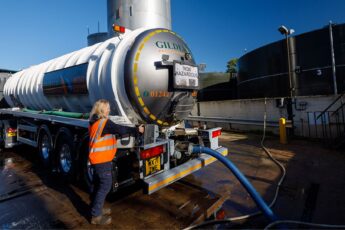
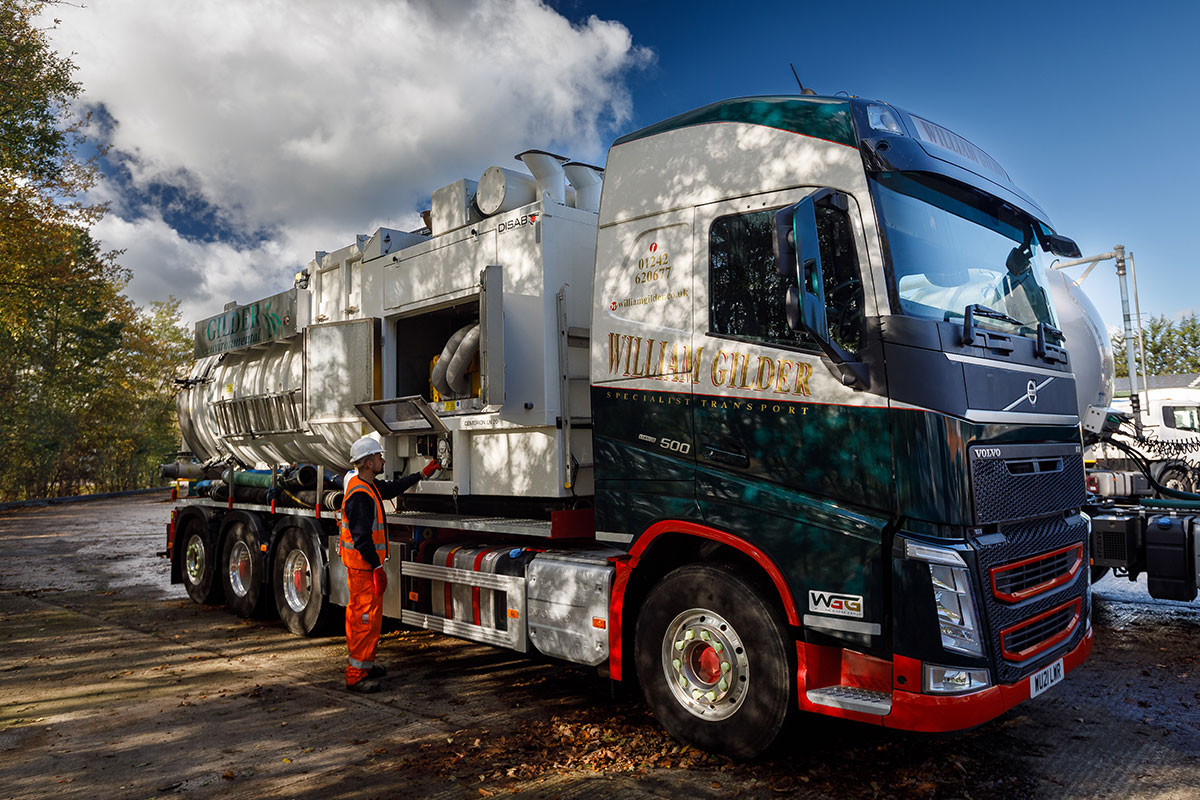
Where significant quantities of liquid, sludge, silt or other material need to be removed, specialist vacuum tanker equipment can be used to extract it from the drainage system.
This can be particularly useful when cleaning infrastructure such as manholes, interceptors and wet wells, or where substantial accumulated material needs to be removed from site.
Combining appropriate cleaning equipment with tanker capability allows the material to be physically removed rather than simply displaced elsewhere within the drainage network.
The Role of CCTV Sewer Surveys
If a drainage problem keeps returning, repeatedly cleaning the same section of sewer without understanding the cause may provide only temporary relief.
A CCTV sewer survey can provide a clearer picture of what is happening underground.
Specialist camera equipment can be used to inspect pipework and identify the location and nature of problems that cannot be seen from the surface.
This can help distinguish between a straightforward accumulation of material and a problem requiring further investigation or remedial work.
CCTV inspection can also be useful as part of preventative maintenance, particularly on larger or more complex commercial sites where understanding the condition of the drainage network can help inform future cleaning schedules.
Don’t Forget Interceptors, Grease Traps and Wet Wells
Effective sewer maintenance should consider the wider drainage system rather than individual pipes in isolation.
Interceptors are used across many commercial and industrial environments to prevent oils, fuels and other contaminants entering drainage systems and the wider environment. If they are not maintained appropriately, accumulated material can reduce their effectiveness.
Grease traps perform a similarly important function in businesses involved with food preparation and processing by capturing fats, oils and grease before they enter downstream drainage.
Wet wells can also accumulate silt, grease and other deposits and therefore require appropriate cleaning and maintenance.
Looking at these assets as part of a wider drainage maintenance programme can help prevent problems simply being transferred from one part of the system to another.

How Often Should Commercial Sewers Be Cleaned?
There is no single cleaning interval suitable for every commercial site.
The appropriate frequency will depend on factors including:
- The size and complexity of the drainage network
- The volume of wastewater passing through it
- The nature of the business
- Previous blockage history
- The amount of grease, silt or debris entering the system
- The presence of interceptors, grease traps or wet wells
- Seasonal variations and rainfall
- The consequences of drainage failure for the site
A relatively low-use commercial property will have very different requirements from a busy transport depot, food-processing operation or industrial facility.
For this reason, maintenance schedules should reflect the conditions and operational risks of the individual site rather than simply following an arbitrary interval.
Building a Planned Sewer Maintenance Programme
An effective programme begins with understanding the drainage infrastructure and identifying the parts of the system most likely to cause operational problems.
Historical information can be particularly useful. If the same manhole, sewer run, interceptor or drainage area has caused repeated problems, it may warrant more frequent inspection or cleaning.
A planned programme might incorporate routine inspection, scheduled sewer cleaning, interceptor and wet well maintenance, CCTV surveys where appropriate and records of previous problems and work undertaken.
Over time, this creates a clearer picture of how the drainage system behaves and allows maintenance frequencies to be adjusted accordingly.
Emergency Sewer Cleaning Still Has an Important Role
Even a well-maintained drainage system can occasionally experience an unexpected blockage or failure.
When this happens, rapid intervention can be important to minimise disruption and reduce the risk of flooding.
The difference is that preventative maintenance should make these incidents less frequent and can provide much better information when an emergency does occur.
A business that understands its drainage network and has records of previous cleaning and inspection is in a stronger position to identify and resolve a problem quickly.
Commercial Sewer Cleaning as Part of Site Management
Drainage infrastructure can easily be overlooked because most of it is underground. Provided wastewater disappears down a drain, it is tempting to assume everything is working as it should.
For commercial and industrial premises, however, the consequences of drainage failure can be significant.
Regular sewer cleaning and maintenance can help keep wastewater moving effectively, remove accumulating material, identify developing problems and reduce the likelihood of unexpected blockages and flooding.
Rather than treating sewer cleaning purely as an emergency service, businesses can incorporate it into routine site maintenance alongside other essential infrastructure.
Commercial Sewer Cleaning and Maintenance from William Gilder Group
William Gilder Group provides specialist environmental and industrial services for commercial customers, with experience across drainage, liquid waste and associated infrastructure.
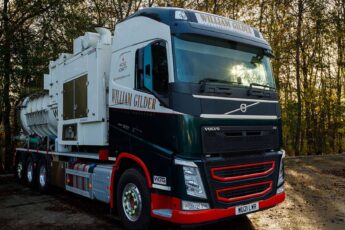
From commercial sewer cleaning and high-pressure water jetting to vacuum tanker services, interceptor cleaning and wet well maintenance, WGG can help businesses deal with immediate drainage problems and develop a more preventative approach to maintaining their sites.
If you are experiencing recurring sewer problems or want to review the maintenance requirements of your commercial drainage system, contact William Gilder Group to discuss the most appropriate approach for your site.
FAQs
What is commercial sewer cleaning?
Commercial sewer cleaning is the removal of grease, silt, sludge, debris and other accumulated material from sewer and drainage systems serving commercial or industrial premises. Techniques can include high-pressure water jetting, vacuum tanker extraction and associated inspection work.
How often should commercial sewers be cleaned?
There is no universal interval. Cleaning frequency should take account of the type of premises, wastewater volumes, previous blockages, the material entering the drainage system and the consequences of a sewer failure. Higher-risk sites may benefit from a planned preventative maintenance programme.
Can high-pressure water jetting clear commercial sewers?
High-pressure water jetting can be used to break down and remove many common deposits within commercial sewer and drainage systems, including grease, silt and other accumulated material. The appropriate cleaning method will depend on the nature and condition of the system.
Why does the same sewer keep becoming blocked?
Recurring blockages can indicate that the immediate obstruction is being cleared without addressing the underlying cause. Further investigation, potentially including CCTV inspection, can help determine what is happening within the pipework.
Can sewer cleaning help prevent flooding?
Regular cleaning can reduce accumulations that restrict the capacity of a drainage system and therefore help reduce the risk of blockages and associated flooding. However, flooding can have several causes, so the wider drainage system may also need to be assessed.
What is included in preventative sewer maintenance?
Depending on the site, preventative maintenance can include routine inspections, scheduled sewer cleaning, high-pressure jetting, CCTV surveys, interceptor cleaning, wet well maintenance and the removal of accumulated liquid, sludge and debris.