

For any business that prepares, serves or processes food, drainage is not just a background utility. It is part of the everyday operation. From restaurants and cafés to hotels, commercial kitchens, food manufacturers, schools, care homes and roadside facilities, the safe management of fats, oils and grease is essential. Without regular attention, grease traps can quickly become a hidden cause of blocked drains, unpleasant odours, hygiene concerns and costly disruption.
That is why professional grease trap services play such an important role in keeping commercial premises running smoothly. A well-maintained grease trap helps capture fat, oil, grease and food particles before they enter the drainage system, reducing the risk of blockages and supporting responsible waste management.
For businesses that rely on clean, efficient kitchen operations, grease trap cleaning and maintenance should not be treated as an afterthought. It should be part of a planned maintenance routine that protects the site, staff, customers, drainage infrastructure and the wider environment.
What is a grease trap?
A grease trap, sometimes referred to as a grease interceptor, is designed to separate fats, oils and grease from wastewater before it flows into the drainage system. In a commercial kitchen, water from sinks, dishwashers and food preparation areas can contain high levels of grease and food residue. If this material is allowed to enter drains unchecked, it can cool, harden and build up inside pipework.
Over time, this build-up can restrict flow, cause foul smells and eventually lead to full blockages. In more severe cases, grease deposits can contribute to sewer flooding or require emergency drainage work.
Grease traps work by slowing the flow of wastewater and allowing lighter fats, oils and grease to rise to the surface while heavier solids settle at the bottom. The cleaner water then continues into the drainage system. However, the trap can only do its job properly if it is emptied and cleaned regularly.
Why grease trap services matter for commercial kitchens
Commercial kitchens are busy environments. During service, kitchen teams are focused on food preparation, cooking, washing up and keeping customers satisfied. Drainage is rarely noticed unless something goes wrong. Unfortunately, when grease trap maintenance is neglected, problems can escalate quickly.
A blocked or overflowing grease trap can bring kitchen operations to a halt. It may cause wastewater to back up, create unpleasant odours, affect hygiene standards and disrupt staff workflows. For customer-facing businesses, these issues can also damage reputation, particularly if odours or drainage problems are noticeable in dining or service areas.
Regular grease trap services help prevent these problems by removing accumulated grease, sludge and food waste before they reach critical levels. Professional servicing also gives businesses confidence that their drainage system is being properly maintained by trained specialists using appropriate equipment.
For facilities managers, catering operators and site owners, this planned approach is usually far more cost-effective than waiting for an emergency.
The risks of ignoring grease trap maintenance
Grease trap cleaning is often postponed because the system is out of sight. But what happens inside the trap and pipework has a direct impact on the business.
When fats, oils and grease are allowed to build up, they can cause a range of issues, including slow-draining sinks, recurring blockages, foul smells, wastewater backing up, increased pest risk, hygiene concerns and avoidable emergency callouts.
There is also a wider environmental concern. Fats, oils and grease entering the drainage network can contribute to major sewer blockages. These blockages can be difficult and expensive to clear, and they can increase the risk of pollution incidents.
For businesses operating in food service, hospitality or food production, poor grease management can also raise questions around compliance and duty of care. Responsible waste handling is part of operating a safe and professional commercial site.
How often should a grease trap be cleaned?
There is no single cleaning schedule that suits every site. The right frequency depends on the size of the grease trap, the volume of wastewater, the type of food being prepared, the number of meals served and how heavily the kitchen is used.
A small café may have very different requirements from a hotel kitchen, a motorway services facility, a school catering department or a food manufacturing site. Kitchens that use large amounts of oils, fried foods, sauces, meat products or dairy may need more frequent servicing than lower-volume sites.
As a general rule, grease traps should be checked regularly and cleaned before accumulated grease and solids reduce performance. Waiting until there is a smell, blockage or overflow usually means the system has already gone too long without attention.
A professional grease trap service provider can assess the site, recommend an appropriate maintenance interval and help put a planned service schedule in place. This removes the guesswork and helps businesses stay ahead of problems.
Warning signs your grease trap needs attention
Although planned maintenance is the best approach, there are several signs that a grease trap may already require cleaning. These include water draining slowly from sinks, unpleasant smells from drains or kitchen areas, gurgling noises from pipework, grease visible around drainage points, recurring blockages, wastewater backing up, or evidence that the grease trap is close to capacity.
Any of these symptoms should be treated seriously. While a single slow-draining sink may appear minor, it can indicate a wider issue within the grease trap or drainage system.
Prompt action can prevent disruption and reduce the likelihood of emergency drainage work. For commercial kitchens, where downtime can affect service, revenue and customer experience, early intervention is always preferable.
What does a professional grease trap service involve?
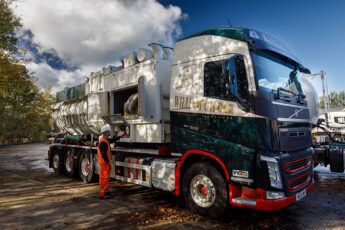
Professional grease trap services usually involve emptying the trap, removing fats, oils, grease, sludge and settled solids, cleaning internal surfaces, checking for obvious defects and ensuring waste is transported for appropriate treatment or disposal.
Depending on the site and the condition of the system, servicing may also include drainage inspection, jetting, liquid waste removal or advice on how to improve kitchen waste handling practices.
The aim is not simply to remove waste, but to restore the grease trap’s effectiveness. A properly cleaned trap can continue separating grease from wastewater efficiently, protecting downstream drains and reducing operational risk.
Working with a specialist provider also helps ensure that waste is managed responsibly. This is particularly important for businesses that need clear records and confidence in their environmental processes.
Grease traps and FOG waste
The term FOG stands for fats, oils and grease. FOG waste is a major concern in commercial drainage because it does not behave like ordinary wastewater. When hot grease is poured away, it may seem liquid enough to pass through pipes. But as it cools, it can thicken and solidify, sticking to pipe walls and trapping other debris.
This is why kitchen practices matter. Staff should avoid pouring oil, grease, sauces or food waste down sinks. Scraping plates, using sink strainers and separating waste at source can all help reduce the load on the grease trap.
However, good kitchen habits do not remove the need for professional grease trap cleaning. Even well-managed kitchens will produce some FOG waste, and over time this material will accumulate.
Supporting compliance and responsible operations
For commercial sites, grease trap maintenance is part of a wider commitment to safe, clean and responsible operations. Businesses are expected to manage waste properly, avoid pollution risks and prevent avoidable problems affecting public drainage systems.
Regular servicing provides practical reassurance. It shows that the business is taking steps to manage its kitchen waste, protect drains and reduce environmental impact.
For multi-site operators, facilities managers and landlords, planned grease trap services can also help standardise maintenance across different locations. This is especially useful where several tenants, kitchens or catering teams use shared drainage infrastructure.
Why choose a specialist provider?
Grease trap cleaning can be messy, unpleasant and technically demanding. It should be carried out by professionals with suitable equipment, waste handling processes and experience of commercial drainage environments.
A specialist provider understands how grease traps interact with wider drainage systems and can identify potential issues before they become more serious. They can also coordinate grease trap cleaning with related services such as liquid waste tankering, interceptor cleaning, drainage support and environmental services.
For businesses across Gloucestershire and surrounding areas, working with an experienced local provider can make maintenance easier to schedule and more responsive when urgent support is needed.
Keeping kitchens and businesses moving
Grease traps may not be the most visible part of a commercial kitchen, but they are one of the most important. When they are properly maintained, they help kitchens work efficiently, drains flow freely and businesses avoid unnecessary disruption.
When they are ignored, the consequences can be expensive, unpleasant and damaging.
Professional grease trap services provide a practical way to stay in control. By removing built-up fats, oils, grease and food waste before they cause problems, businesses can protect their premises, staff, customers and drainage systems.
For restaurants, cafés, hotels, food production sites, commercial kitchens and facilities managers, regular grease trap cleaning is not simply a maintenance task. It is an investment in smoother operations, better hygiene, reduced risk and long-term resilience.
If your site depends on a busy kitchen or food-handling operation, now is the time to review your grease trap maintenance schedule. A planned, professional service can help keep your drains clear, your kitchen compliant and your business moving without avoidable interruption.