

For restaurants, hotels, pubs, cafés and other commercial kitchens, effective drainage is essential to keeping daily operations running smoothly. One of the most important, yet frequently overlooked, aspects of kitchen maintenance is the regular cleaning of grease traps.
Commercial kitchens produce significant quantities of fats, oils and grease (FOG), which can accumulate in drainage systems if they are not properly managed. Without regular cleaning, grease traps can become overloaded, increasing the risk of blocked drains, unpleasant odours, wastewater backups and costly disruption.
But how often should a commercial grease trap be cleaned? The answer depends on several factors, including the size of the kitchen, the volume of food prepared and the type of grease management system installed.
Understanding when cleaning is required, and recognising the warning signs of a problem, can help businesses maintain effective drainage and avoid unnecessary interruptions.
What Is a Commercial Grease Trap and How Does It Work?
A commercial grease trap is a device designed to prevent fats, oils and grease from entering the wider drainage and sewerage network.
When wastewater from sinks, dishwashing areas and food preparation equipment enters the trap, the flow slows, allowing different materials to separate.
Typically:
- Fats, oils and grease rise towards the surface.
- Heavier food particles and solids settle at the bottom.
- Relatively grease-free wastewater flows through the outlet into the drainage system.
Over time, the accumulated grease and solids reduce the trap’s effective capacity. If these materials are not removed, the system becomes less efficient and may allow grease to pass into downstream pipework.
This is why regular grease trap cleaning is an essential part of commercial kitchen maintenance.
How Often Should Commercial Grease Traps Be Cleaned?
There is no single cleaning interval suitable for every commercial kitchen. The appropriate frequency depends on how quickly grease and solids accumulate, the trap’s capacity, its design and the manufacturer’s recommendations.
As a general starting point, many commercial kitchens arrange grease trap inspections and cleaning on a schedule ranging from every few weeks to every three months. However, heavily used systems may require much more frequent attention.
High-Volume Restaurants and Busy Commercial Kitchens
Restaurants preparing large quantities of fried food, meat dishes or other grease-producing meals may require cleaning every one to four weeks, depending on the system.
Busy kitchens generate considerable volumes of wastewater, particularly during peak service periods. A relatively small grease trap serving a high-volume kitchen can reach its effective capacity surprisingly quickly.
Regular inspections help establish whether the cleaning interval is sufficient.
Medium-Sized Restaurants, Pubs and Hotels
For kitchens with moderate food preparation activity, cleaning every four to eight weeks may provide a reasonable initial maintenance schedule.
However, businesses should not rely on a fixed interval without checking the amount of accumulated grease and solids.
Changes in menu, customer numbers or operating hours can significantly affect how quickly a trap fills.
Smaller Cafés and Commercial Food Premises
Smaller cafés, sandwich shops and commercial kitchens producing relatively low volumes of grease may be able to operate with longer cleaning intervals.
Depending on the equipment and operating conditions, cleaning every eight to twelve weeks may be appropriate.
Nevertheless, even smaller premises can experience serious drainage problems if grease traps are neglected.
These intervals are illustrative starting points, not universal standards. The correct schedule should be established through inspections, manufacturer guidance and the requirements of the particular drainage system.
Understanding the 25% Grease Trap Cleaning Guideline
One commonly used maintenance principle is to arrange cleaning when the combined depth of accumulated grease and settled solids reaches approximately 25% of the trap’s effective liquid depth.
This is sometimes referred to as the 25% rule.
The principle is that allowing excessive grease and solids to accumulate reduces the available separation capacity and increases the likelihood of material passing into the drainage system.
For example, a grease trap that appears to be operating normally may already have substantial deposits beneath the surface.
Waiting until wastewater stops draining properly is therefore not a reliable maintenance strategy.
The 25% guideline is a useful indicator for some conventional grease interceptors, but it should not replace equipment-specific instructions. Automatic grease removal systems and other designs may require different inspection and servicing procedures.
A professional inspection can help determine the appropriate cleaning frequency for the installation.
Seven Warning Signs That Your Grease Trap Needs Cleaning
Even with a planned maintenance schedule, commercial kitchens should remain alert to signs that a grease trap is approaching capacity or developing a problem.
1. Slow-Draining Sinks
If kitchen sinks begin draining more slowly than usual, accumulated grease or solids may be restricting wastewater flow.
Slow drainage can also indicate a blockage further along the pipework, making early investigation important.
2. Unpleasant Odours
A noticeable smell around kitchen sinks, drainage outlets or the grease trap itself can indicate decomposing food waste and accumulated grease.
Persistent odours should be investigated rather than masked with cleaning products.
3. Gurgling Sounds from Drains
Unusual gurgling noises can occur when wastewater struggles to move through restricted pipework.
Although these sounds do not necessarily identify the grease trap as the cause, they can indicate developing drainage problems.
4. Wastewater Backing Up
Wastewater returning through sinks or floor drains is a serious warning sign.
A blockage or overloaded grease management system may be preventing wastewater from flowing away correctly.
Prompt professional attention is advisable to minimise disruption and hygiene risks.
5. Visible Grease Accumulation
Heavy grease deposits inside an accessible inspection chamber or trap may indicate that cleaning is overdue.
Inspections should be undertaken safely by suitably trained personnel, following the manufacturer’s instructions.
6. Frequent Drain Blockages
If a kitchen experiences repeated drainage problems despite routine cleaning, the grease trap may be undersized, poorly maintained or operating inefficiently.
The wider drainage network may also contain accumulated FOG deposits requiring specialist attention.
7. Increased Maintenance Problems During Busy Periods
A system that performs adequately during quieter periods may struggle when wastewater volumes increase.
Seasonal peaks, functions and busy weekends can expose weaknesses in grease trap capacity or maintenance arrangements.
What Happens If a Commercial Grease Trap Is Not Cleaned Regularly?
Neglecting grease trap maintenance can create problems extending well beyond the kitchen.
Blocked Drains and Sewer Pipes
When a grease trap becomes overloaded, fats, oils and grease can pass into downstream drainage pipes.
As grease cools and accumulates, it can combine with food particles and other debris to form persistent blockages.
These restrictions may require professional commercial drain jetting or other specialist drainage cleaning methods to remove.
Wastewater Flooding
Severe blockages can cause wastewater to back up into commercial premises.
For restaurants and food preparation businesses, this can result in contaminated floors, damaged equipment and disruption to normal operations.
Unpleasant Odours and Hygiene Concerns
Accumulated food waste and grease can create unpleasant smells and potentially attract pests.
Poorly maintained drainage systems can also undermine the hygiene standards expected in commercial food preparation environments.
Unexpected Business Interruption
Drainage failures rarely occur at convenient times.
A blocked kitchen drain during a busy restaurant service can affect food preparation, washing facilities and the ability to continue trading.
Planned maintenance helps reduce the likelihood of emergency repairs and unplanned closures.
Environmental and Regulatory Concerns
Businesses have responsibilities to manage fats, oils and grease appropriately.
Under Section 111 of the Water Industry Act 1991, it is an offence to discharge matter into a public sewer that is likely to interfere with the free flow of its contents.
Food businesses should also ensure that grease trap waste is handled and disposed of through appropriate waste management arrangements.
Maintaining records of cleaning, inspections and waste collection can help demonstrate responsible management practices.
How Is a Commercial Grease Trap Professionally Cleaned?
Professional grease trap cleaning involves more than simply removing visible grease from the surface.
The precise procedure depends on the equipment, but a typical service may include:
- Initial inspection: Assessing the condition of the trap, its contents and any obvious drainage problems.
- Removal of accumulated waste: Extracting grease, wastewater and settled solids using suitable equipment.
- Cleaning internal surfaces: Removing deposits from accessible components, including baffles and internal walls where appropriate.
- Checking the system: Inspecting accessible inlets, outlets and components for signs of obstruction or damage.
- Waste management: Arranging appropriate handling, transport and disposal or recovery of collected waste.
- Maintenance recommendations: Advising on future cleaning intervals and any additional drainage work required.
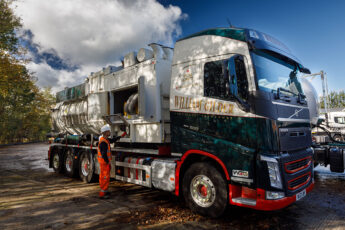
Where larger grease interceptors or associated drainage chambers require emptying, specialist vacuum tankering equipment may be appropriate.
Professional cleaning can also identify developing problems before they lead to more serious drainage failures.
Creating a Commercial Kitchen Grease Trap Maintenance Schedule
A planned maintenance programme is generally more effective than waiting for warning signs to appear.
Commercial kitchen operators should consider the following steps.
Establish a Baseline
Begin with an inspection to determine the current condition of the grease trap and the quantity of accumulated grease and solids.
This provides a starting point for developing a suitable maintenance interval.
Record Cleaning Dates
Maintain a record of inspections, cleaning visits, waste collections and any drainage problems identified.
This can help businesses recognise patterns and demonstrate that maintenance is being managed systematically.
Review Kitchen Activity
Consider whether changes in food preparation, trading hours or customer numbers are increasing the amount of FOG entering the system.
For example, a restaurant introducing additional fried food preparation may need to review its existing maintenance arrangements.
Train Kitchen Staff
Staff should understand how to minimise fats, oils and grease entering the drainage system.
Simple practices include scraping food waste into appropriate bins, collecting used cooking oil separately and avoiding pouring grease directly into sinks.
Arrange Periodic Professional Inspections
Professional inspections can help establish whether the grease trap is functioning correctly and whether its cleaning frequency remains appropriate.
For larger commercial premises, grease trap maintenance should form part of a wider planned drainage maintenance programme.
Can Good Kitchen Practices Reduce Grease Trap Cleaning Requirements?
Good kitchen practices can reduce the amount of grease and food waste entering the drainage system, helping grease management equipment operate more effectively.
Useful measures include:
- Scraping plates, trays and cooking utensils before washing.
- Collecting used cooking oil for appropriate recycling or disposal.
- Installing suitable sink strainers to capture food particles.
- Avoiding the disposal of fats, oils and grease down sinks.
- Training kitchen staff in correct waste handling procedures.
- Following the manufacturer’s operating and maintenance instructions.
However, these measures do not eliminate the need for grease trap cleaning.
Even a well-managed kitchen will generate some grease-containing wastewater, and accumulated material must still be removed at suitable intervals.
Why Grease Trap Maintenance Should Be Part of Wider Drainage Management
A grease trap is only one component of a commercial kitchen’s drainage system.
Even when the trap itself is maintained correctly, deposits can develop in connected pipework, inspection chambers and downstream drainage infrastructure.
For businesses operating larger commercial premises, planned drainage maintenance may involve additional services such as:
- Drain inspections and blockage investigations.
- High-pressure drain jetting where appropriate.
- Interceptor cleaning and maintenance.
- Vacuum tankering and liquid waste removal.
- Emergency drainage support.
Taking a coordinated approach helps businesses identify potential problems across the drainage network rather than treating individual blockages in isolation.
For restaurants, hotels, catering facilities and other commercial premises, this can contribute to more reliable operations and fewer unexpected maintenance costs.
Commercial Grease Trap and Drainage Maintenance in Gloucestershire
Commercial kitchens across Gloucestershire, including those in Cheltenham, Gloucester, Tewkesbury and the surrounding areas, rely on effective drainage to maintain safe and efficient operations.
William Gilder Group provides specialist environmental and drainage-related services, including liquid waste tankering and commercial drainage maintenance.
Where grease trap servicing or associated waste removal is required, the appropriate solution will depend on the equipment installed, the nature of the waste and the site’s operational requirements.
Businesses experiencing recurring drainage problems or reviewing their maintenance arrangements can benefit from professional advice on the condition of their drainage infrastructure.
By identifying problems early and establishing suitable maintenance procedures, commercial premises can reduce the likelihood of blockages, wastewater backups and avoidable disruption.
Frequently Asked Questions About Commercial Grease Trap Cleaning
How often should a restaurant grease trap be cleaned?
The frequency depends on the size of the grease trap, the amount of food prepared and the volume of fats, oils and grease produced. Some busy restaurants may require cleaning every one to four weeks, while lower-volume premises may have longer intervals. Regular inspections should determine the appropriate schedule.
What is the 25% rule for grease traps?
The 25% rule is a commonly used guideline suggesting that a conventional grease interceptor should be cleaned when accumulated grease and solids occupy approximately one-quarter of its effective liquid depth. It is not a universal requirement and should be considered alongside manufacturer instructions and the system’s operating conditions.
What happens if a commercial grease trap becomes full?
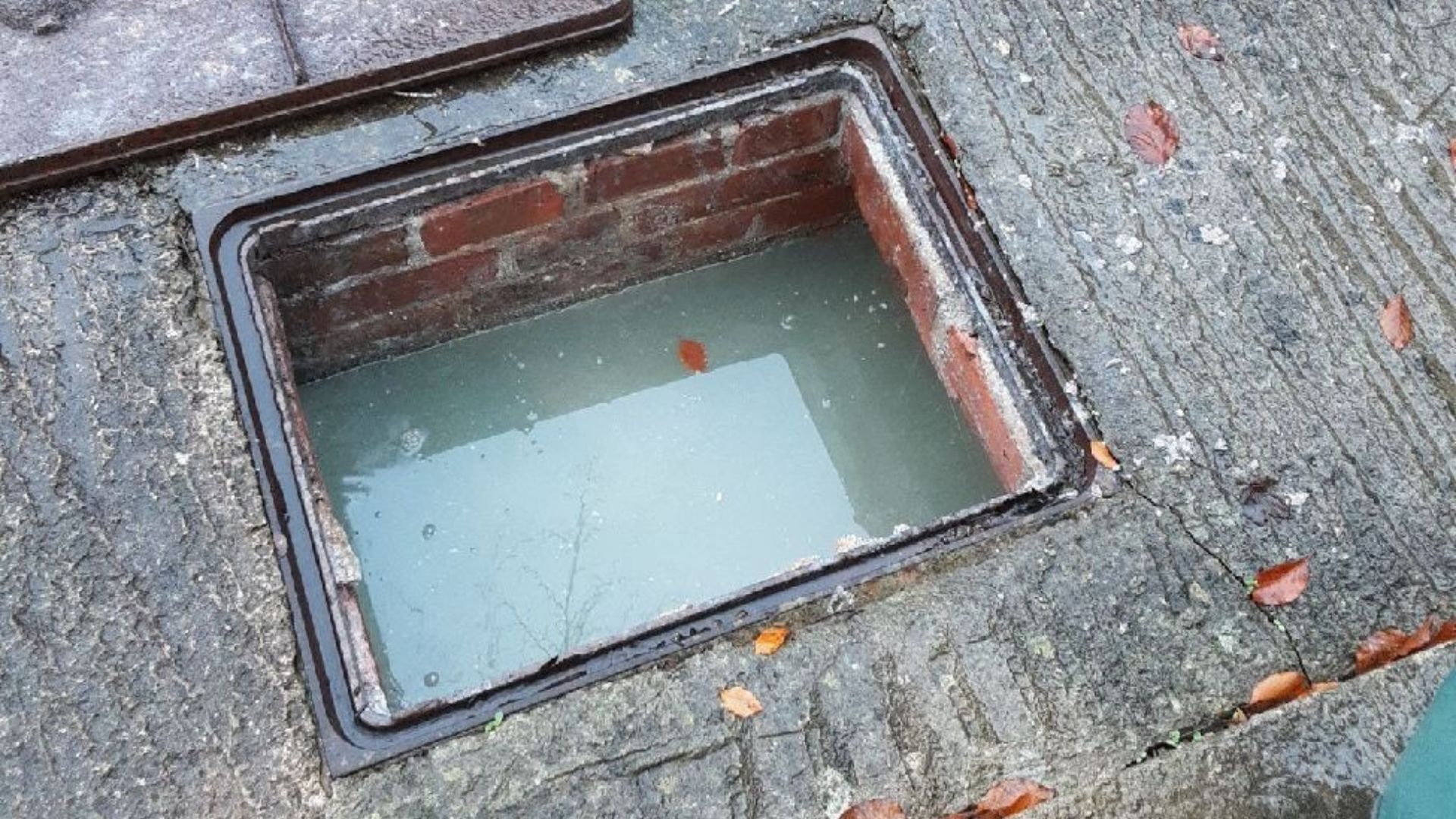
An overloaded grease trap may allow grease to enter downstream drainage pipes, increasing the risk of blockages, unpleasant odours, slow drainage and wastewater backups. Professional cleaning may be necessary to restore effective operation.
Can a restaurant clean its own grease trap?
Some small grease traps are designed for routine cleaning by trained staff following manufacturer instructions. Larger systems may require specialist equipment and professional waste removal. Businesses must ensure collected waste is handled and disposed of appropriately.
How can I tell if my grease trap needs cleaning?
Common warning signs include slow-draining sinks, unpleasant smells, visible grease accumulation, recurring blockages and wastewater backups. However, a grease trap may require cleaning before these symptoms become apparent.
Is grease trap cleaning a legal requirement in the UK?
UK businesses must comply with relevant drainage, environmental and waste management requirements. There is no single statutory cleaning frequency that applies to every commercial grease trap, but businesses must prevent harmful discharges and manage waste appropriately.
Keep Your Commercial Kitchen Drainage Working Efficiently
Regular grease trap cleaning is an important part of maintaining reliable commercial kitchen drainage.
The most effective approach is to establish a cleaning schedule based on actual grease accumulation, equipment requirements and the demands of the kitchen, rather than waiting until a blockage occurs.
For restaurants, hotels, pubs and other food businesses, preventative maintenance can help reduce unexpected disruption, protect drainage infrastructure and support responsible waste management.
Contact William Gilder Group to discuss commercial drainage maintenance, liquid waste removal and the appropriate support for your premises.