
For HGV operators, tachograph calibration remains one of the most tightly regulated and closely scrutinised aspects of vehicle compliance. In 2026, with Smart Tachograph 2 now firmly embedded, roadside enforcement increasing, and operator licence audits becoming more forensic, calibration can no longer be treated as a standalone administrative task.
Instead, forward-thinking operators are taking a more integrated approach: using tachograph calibration as the anchor point for wider vehicle compliance, inspection and preventative maintenance. At William Gilder, this compliance-first mindset underpins our role as an approved Stoneridge tachograph calibration centre and a fully equipped commercial vehicle workshop.
This guide explains what tachograph calibration involves in 2026, why it matters more than ever, and how integrated workshop services help operators reduce risk, downtime and operational disruption.
Why Tachograph Calibration Still Matters in 2026
Tachographs play a central role in demonstrating compliance with drivers’ hours regulations, working time rules and cross-border transport requirements. Incorrectly calibrated or poorly maintained units can lead to:
-
Fixed penalties or prosecutions
-
Prohibitions at the roadside
-
Adverse findings during DVSA audits
-
Operator Licence implications
With Smart Tachograph 2 mandatory for most international journeys and enforcement agencies now able to interrogate data more efficiently, errors that might once have gone unnoticed are far more likely to be identified.
Regular, accurate calibration by an approved tachograph calibration and repair centre is therefore essential—not just to meet legal obligations, but to protect the wider operation.
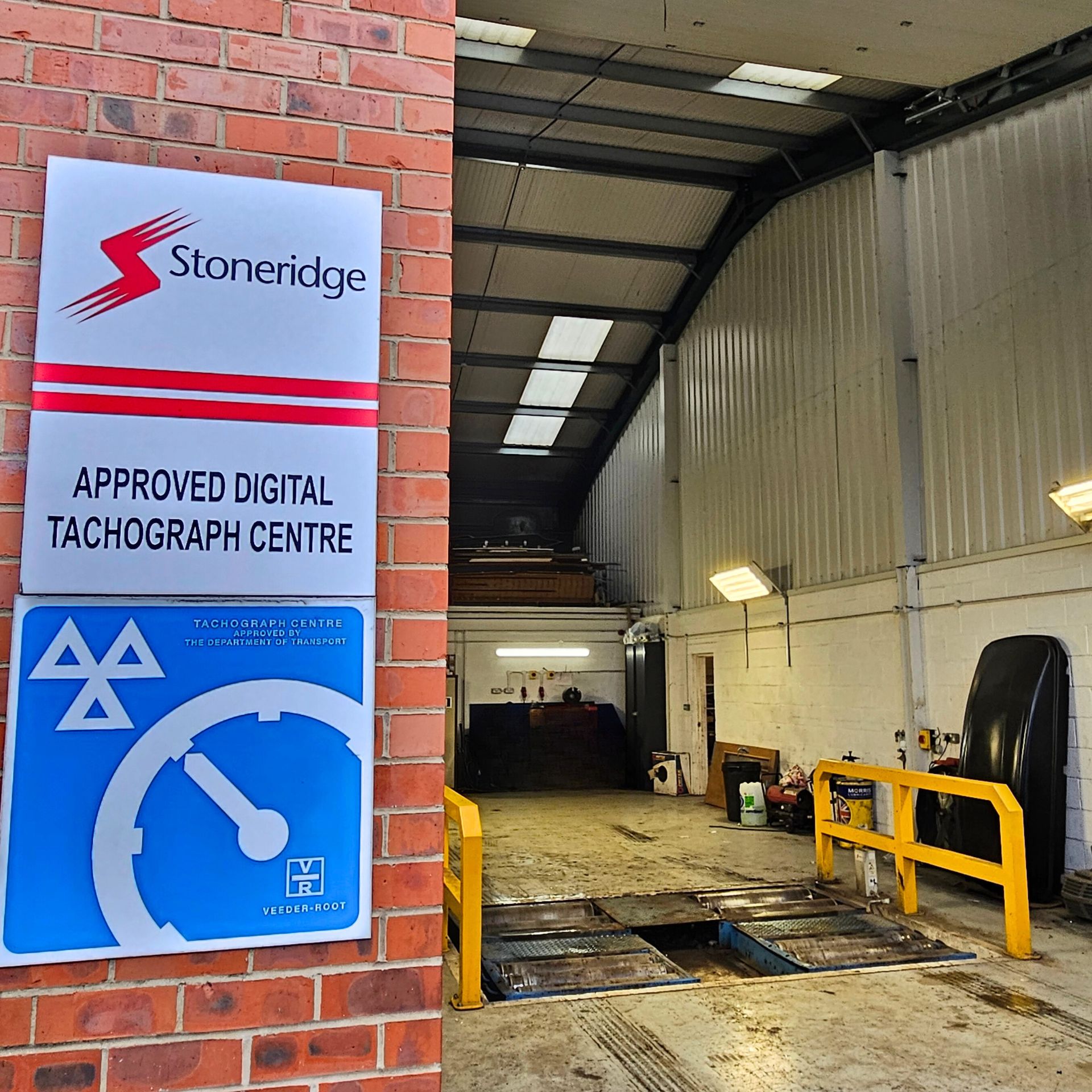
Approved Stoneridge Tachograph Calibration Centre
William Gilder operates as an approved Stoneridge commercial vehicle tachograph calibration centre, carrying out calibration, inspection and repair work in line with DVSA requirements.
Calibration includes:
-
Verification of vehicle parameters
-
Speed and distance accuracy checks
-
Seal integrity inspection
-
System testing and certification
Calibration intervals remain legally defined, but in practice many operators schedule calibration alongside other compliance-critical checks to minimise downtime and avoid missed deadlines.
Smart Tachograph 2 and Enforcement Realities
By 2026, Smart Tachograph 2 is no longer “new”—but enforcement expectations continue to evolve. Key considerations now include:
-
Greater focus on cross-border compliance
-
Increased roadside data downloads
-
More consistent follow-up inspections
-
Alignment between tachograph records and vehicle condition
This has reinforced the need for tachograph calibration to sit within a broader compliance framework rather than being treated in isolation.
From Calibration to Compliance: Why Integration Matters
A tachograph calibration visit often brings a vehicle into closer inspection than a routine service. This creates a natural opportunity to identify other issues that could present compliance risks if left unaddressed.
Operators increasingly choose integrated workshop visits because they offer:
-
Fewer vehicle off-road events
-
A clearer audit trail
-
Reduced risk of enforcement escalation
-
More predictable maintenance planning
At William Gilder, tachograph calibration is frequently combined with other workshop services designed to support DVSA compliance and operational uptime.
Supporting Workshop and Vehicle Maintenance Services
Brake Testing and Safety Inspections
Brake performance is one of the most common causes of roadside prohibitions. Carrying out brake testing alongside tachograph calibration helps identify issues early and ensures vehicles meet safety thresholds before returning to service.
Vehicle Servicing and Preventative Maintenance
Routine servicing plays a critical role in maintaining compliance. Integrating servicing with calibration reduces duplication and allows engineers to spot developing issues that may not yet trigger warning lights but could become enforcement concerns later.
MOT Preparation and Defect Rectification
For operators approaching MOT deadlines, calibration visits can be aligned with MOT preparation and repairs. This reduces last-minute failures and avoids situations where a compliant tachograph sits within an otherwise non-compliant vehicle.
Compliance-Focused Inspections
Workshop inspections often identify issues such as:
-
Worn components
-
Insecure fittings
-
Fluid leaks
-
Tyre or suspension concerns
Addressing these during a scheduled visit helps protect the operator licence and reduces the likelihood of follow-up enforcement action.
One Visit, Multiple Compliance Outcomes
The advantage of an integrated commercial vehicle workshop is not simply convenience—it’s control.
By combining tachograph calibration with workshop inspections and maintenance, operators gain:
-
A consolidated compliance record
-
Fewer unscheduled vehicle outages
-
Improved audit readiness
-
Greater confidence during roadside checks
This approach is particularly valuable for fleet operators, owner-drivers and transport managers juggling multiple regulatory obligations.
Operator Licence Protection and Audit Readiness
DVSA audits rarely focus on a single issue. Tachograph compliance, vehicle condition and maintenance records are all assessed together. A weakness in one area often leads to deeper scrutiny elsewhere.
Using a workshop that understands this interconnected landscape helps ensure:
-
Records are consistent and defensible
-
Maintenance aligns with usage patterns
-
Calibration, inspection and servicing data support each other
This reduces the risk of adverse findings and supports long-term operator licence stability.
Frequently Asked Questions
Can tachograph calibration be carried out alongside vehicle servicing?
Yes. Many operators choose to combine calibration with servicing or inspections to minimise downtime and streamline compliance.
What happens if defects are found during calibration?
Any issues identified can often be addressed during the same visit, depending on severity and parts availability, reducing the need for repeat appointments.
How long does a combined compliance visit take?
Timeframes vary depending on services required, but integrated visits are typically more efficient than booking multiple separate appointments.
Does tachograph calibration affect MOT or DVSA checks?
While calibration itself is separate, it forms part of the wider compliance picture assessed during MOTs and DVSA inspections.
Why use an approved Stoneridge tachograph calibration centre?
Approval ensures calibration is carried out to manufacturer and DVSA standards, protecting both compliance and data integrity.
A Compliance-Led Approach to Commercial Vehicle Workshops
In 2026, the most resilient transport operations are those that treat compliance as a system, not a checklist. Tachograph calibration remains a cornerstone—but its real value is unlocked when combined with professional workshop services that support safety, reliability and regulatory confidence.
As an approved Stoneridge tachograph calibration centre and a provider of commercial vehicle workshop services, William Gilder supports operators looking to reduce risk, protect their licences and keep vehicles on the road—where they belong.