
Across a wide range of commercial and industrial environments, from transport depots and truck stops to manufacturing facilities and logistics yards, effective drainage management is not just a maintenance task — it is a legal, environmental, and operational necessity. One of the most important yet often overlooked components of this system is the interceptor.
Interceptor cleaning plays a vital role in keeping sites compliant, safe, and operational. But what exactly is an interceptor, and why does it require regular professional cleaning?
What Is an Interceptor?
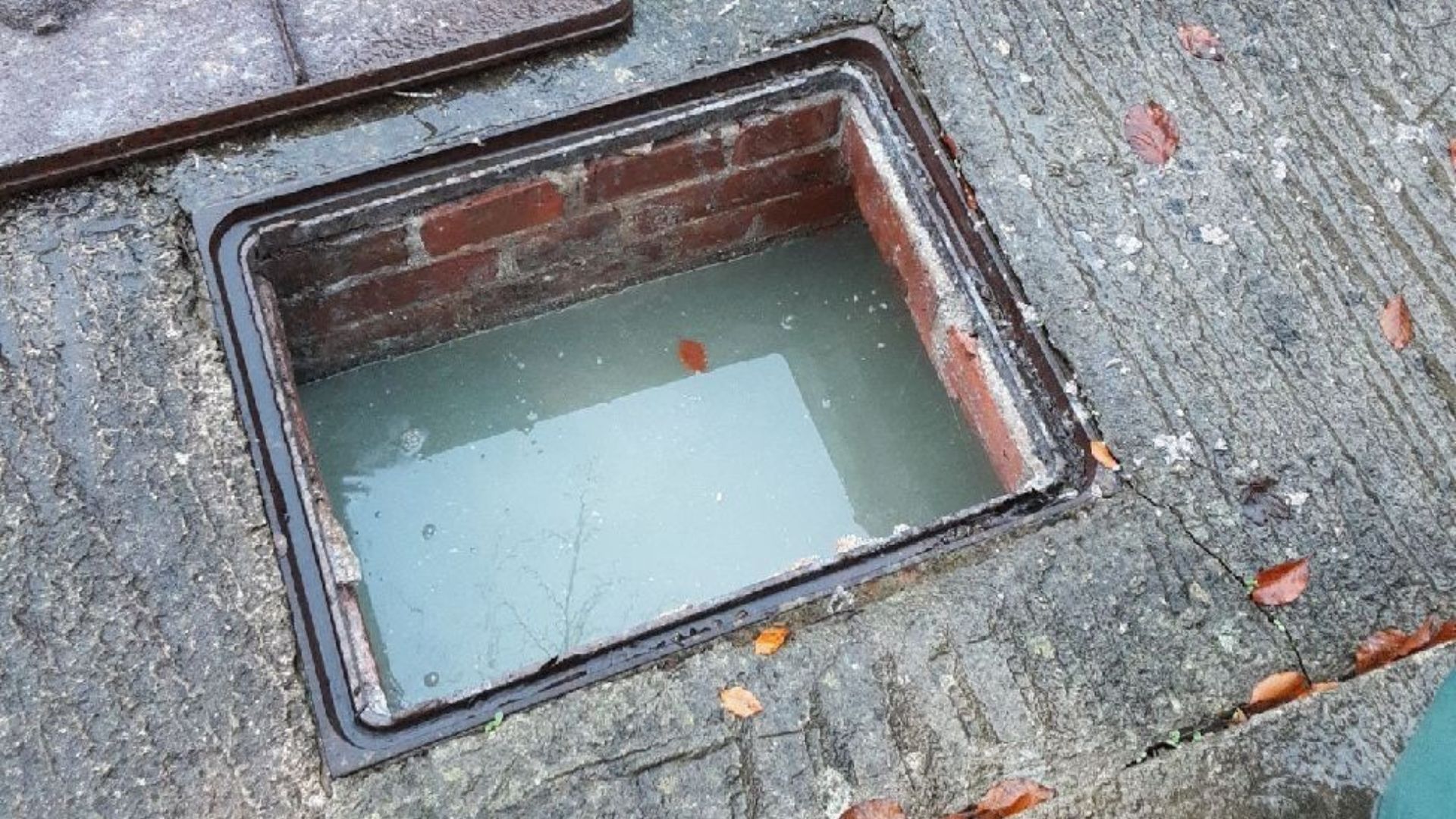
An interceptor (often referred to as an oil interceptor or separator) is a drainage system designed to capture and separate pollutants — particularly oils, fuels, and sediments — from surface water before it enters the main drainage network or watercourses.
Typically installed in areas where vehicles are used, stored, or maintained, interceptors are commonly found in:
-
HGV yards and truck stops
-
Fuel stations and refuelling areas
-
Industrial estates and manufacturing sites
-
Car parks and vehicle wash bays
-
Waste management and recycling facilities
Their primary function is to prevent harmful substances such as oil, diesel, grease, and silt from contaminating the environment.
Without an interceptor, these pollutants would flow directly into drains, rivers, and groundwater — creating serious environmental risks and regulatory breaches.
How Do Interceptors Work?
Interceptors operate on a simple but effective principle: separation by density.
-
Heavy solids (such as silt and debris) sink to the bottom
-
Water flows through the system
-
Lighter substances (such as oil and fuel) float to the top
The system is designed to trap and retain these contaminants, allowing only relatively clean water to exit.
However, over time, these captured materials build up. If they are not removed, the interceptor becomes ineffective — and in some cases, completely blocked.
What Is Interceptor Cleaning?
Interceptor cleaning is the process of removing accumulated waste from the interceptor system, including:
-
Oil and fuel residues
-
Sludge and silt
-
Debris and solids
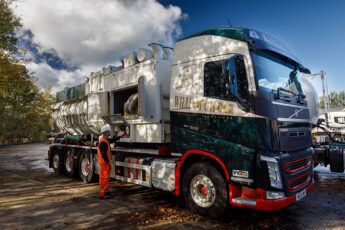
This is typically carried out using specialist vacuum tankers and high-pressure jetting equipment. The process may include:
-
Emptying the interceptor using suction equipment
-
Jet washing internal chambers to remove stubborn residues
-
Inspecting the system for damage or blockages
-
Safe disposal of waste in accordance with environmental regulations
Because the waste removed is classified as hazardous or controlled waste, it must be handled, transported, and disposed of by licensed professionals.

Why Is Interceptor Cleaning Critical?
1. Environmental Protection
The most obvious reason for interceptor cleaning is environmental responsibility.
Oil and fuel contamination can have devastating effects on ecosystems. Even small quantities of hydrocarbons can:
-
Pollute rivers and streams
-
Harm aquatic life
-
Contaminate soil and groundwater
A poorly maintained interceptor can allow pollutants to bypass the system entirely, leading to environmental damage and potential prosecution.
Regular cleaning ensures the system continues to perform its essential function — protecting the surrounding environment.
2. Legal Compliance
In the UK, businesses have a legal duty to prevent pollution under environmental legislation enforced by the Environment Agency.
Failure to maintain interceptors can result in:
-
Fines and enforcement notices
-
Site shutdowns in severe cases
-
Reputational damage
For many commercial sites, particularly those handling vehicles, fuels, or waste, interceptor maintenance is not optional — it is a compliance requirement.
Keeping detailed records of interceptor cleaning and waste disposal is also essential, demonstrating due diligence in the event of an inspection.
3. Preventing Blockages and Flooding
An interceptor that is not regularly cleaned will gradually fill with sludge, silt, and oil.
As capacity reduces, the system becomes prone to:
-
Blockages in the drainage network
-
Surface water flooding
-
Overflow of contaminated water
For busy commercial sites, this can quickly escalate into operational disruption, health and safety risks, and costly emergency call-outs.
Routine interceptor cleaning prevents these issues before they arise, ensuring drainage systems continue to function as intended.
4. Protecting Infrastructure and Reducing Costs
Neglected interceptors do not just fail — they can cause wider damage across a site’s drainage infrastructure.
Build-up of contaminants can lead to:
-
Corrosion of pipework
-
Damage to pumps and drainage systems
-
Increased wear on downstream equipment
Repairing or replacing damaged infrastructure is significantly more expensive than maintaining it properly.
Regular cleaning is therefore a cost-effective preventative measure, extending the lifespan of drainage systems and reducing long-term expenditure.
5. Supporting Operational Efficiency
For sites that rely on vehicle movement and logistics — such as truck stops, depots, and industrial yards — downtime is costly.
Blocked or failing drainage systems can:
-
Restrict site access
-
Delay operations
-
Create hazardous working conditions
By keeping interceptors clean and fully functional, businesses can avoid unnecessary disruption and maintain smooth day-to-day operations.
Signs Your Interceptor Needs Cleaning
While routine maintenance schedules are recommended, there are several warning signs that an interceptor may require immediate attention:
-
Strong odours near drainage areas
-
Slow drainage or standing water
-
Visible oil or sheen on water surfaces
-
Frequent blockages in nearby drains
-
Overflow during rainfall
If any of these issues are present, it is important to arrange professional cleaning as soon as possible to prevent further problems.
How Often Should Interceptors Be Cleaned?
The frequency of interceptor cleaning depends on several factors, including:
-
The size and type of interceptor
-
The volume of traffic on site
-
The nature of operations (e.g. refuelling, washing, waste handling)
As a general guide:
-
High-usage sites may require cleaning every 3–6 months
-
Lower-usage sites may require annual maintenance
Regular inspections are essential to determine the appropriate schedule and ensure the system remains effective.
The Importance of Professional Interceptor Cleaning Services
Interceptor cleaning is not a task that can be handled in-house without the right equipment and expertise.
Professional service providers offer:
-
Specialist vacuum tankers capable of handling hazardous waste
-
High-pressure jetting equipment for thorough cleaning
-
Qualified operatives trained in environmental compliance
-
Licensed waste disposal with full documentation
This ensures that the entire process — from cleaning to disposal — is carried out safely, efficiently, and in line with regulations.
Integrating Interceptor Cleaning Into a Wider Maintenance Strategy
Interceptor cleaning should not be treated as a standalone task. It forms part of a broader approach to drainage and environmental management, which may include:
-
Wet well maintenance
-
Emergency sewer maintenance
-
Drain jetting and CCTV surveys
-
Liquid waste tankering
By taking a proactive, integrated approach, commercial sites can reduce risk, improve efficiency, and maintain full compliance across their operations.
Why It Matters More Than You Think
It is easy to overlook what happens below ground level — until something goes wrong.
An interceptor may sit quietly out of sight, but its role is critical. When properly maintained, it protects the environment, supports compliance, and keeps operations running smoothly. When neglected, it can quickly become a source of costly problems and regulatory risk.
For commercial sites, particularly those handling vehicles, fuels, or waste, interceptor cleaning is not just routine maintenance — it is an essential safeguard.
Conclusion
Interceptor cleaning is a fundamental part of responsible site management. By removing harmful pollutants, preventing blockages, and ensuring compliance with environmental regulations, it protects both your business and the wider environment.
Regular, professional cleaning keeps systems operating effectively, reduces the risk of disruption, and helps avoid costly repairs or penalties.
In short, investing in interceptor maintenance is not just good practice — it is critical for any commercial site that wants to operate safely, efficiently, and responsibly.