
Managing a septic tank is a routine part of life for many rural and semi-rural households across Gloucestershire. When looked after properly, a septic system runs quietly in the background for years. But when maintenance is delayed, the problems can be disruptive, costly, and environmentally damaging. This guide explains how septic tanks work, how often they should be emptied, the early signs of trouble, and the professional services available to keep your system compliant and reliable.
What Is a Septic Tank and How Does It Work?
A septic tank is an underground chamber designed to separate solids from wastewater before allowing the partially treated effluent to drain into a soakaway or drainage field. The basic process is simple:
-
Household wastewater flows into the tank.
-
Solids settle to the bottom and form sludge.
-
Oils and grease float to the top, creating a scum layer.
-
Liquid effluent exits through an outlet pipe into the soakaway for natural filtration.
Understanding this basic flow makes it easier to spot problems before they escalate. Any interruption to separation, flow, or drainage can lead to backups or system failure.
How Often Should a Septic Tank Be Emptied?
One of the most common questions homeowners ask is: “How often should my septic tank be emptied?”
Typical emptying frequency
-
Every 12 months for most domestic systems.
-
Every 6–9 months for larger households or properties with high water usage.
-
Every 18 months for small households with low usage and a healthy soakaway.
Gloucestershire’s older rural properties often have compact tanks that fill faster than modern equivalents, making annual emptying the safest and most cost-effective schedule.
Why regular emptying matters
-
Prevents overflows and backups.
-
Protects the soakaway from blockages and soakaway failure.
-
Reduces odours and environmental risks.
-
Ensures compliance with the Environmental Permitting Regulations (EPR).
Skipping a scheduled empty can cause solids to pass into the drainage field—one of the most expensive septic-related issues to rectify.

What Are the Early Warning Signs of a Full or Failing Septic Tank?
Spotting issues early prevents disruption and unexpected repair bills. Red flags include:
1. Slow-draining sinks, baths, or showers
This is often the first noticeable sign that your septic system is struggling.
2. Gurgling noises from drains or toilets
Air trapped in the pipes indicates poor flow from the house to the tank.
3. Strong odours near the tank, soakaway, or drainage covers
A clear indicator that waste isn’t breaking down or flowing correctly.
4. Water pooling on the lawn above the soakaway
This can signal soakaway saturation or failure.
5. Toilets frequently backing up or requiring multiple flushes
This suggests blockages or a tank nearing capacity.
6. Lush green grass over the soakaway
More vibrant growth often means untreated effluent is rising too close to the surface.
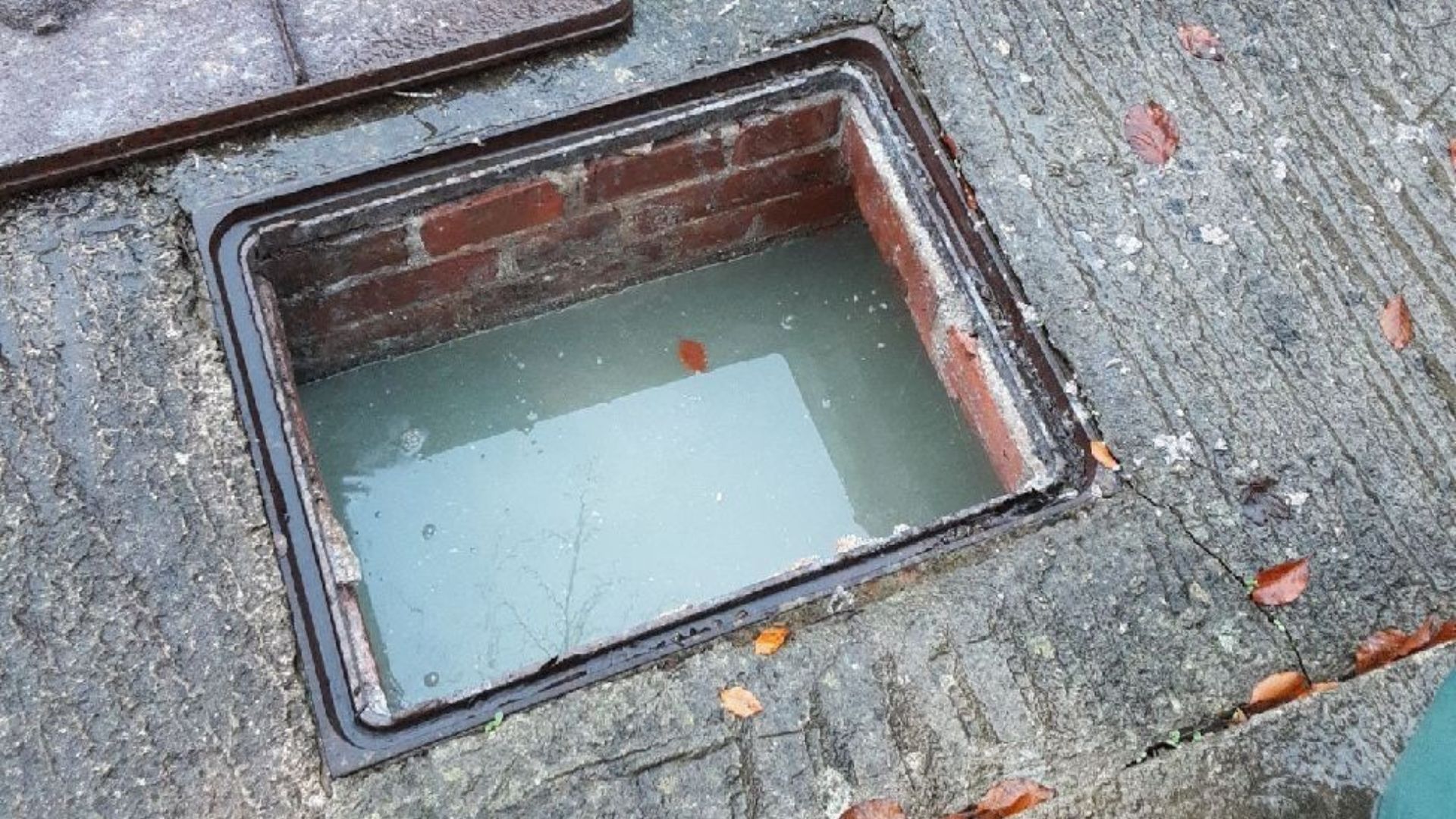
If you notice any of these issues, arranging an inspection or emptying service promptly can prevent long-term damage.
What Causes Septic Tank Problems in Gloucestershire?
While domestic septic systems all operate on the same principles, Gloucestershire’s geography and housing stock create some predictable challenges:
Clay-heavy ground
Large areas of the county have clay soils that drain slowly, putting more pressure on soakaways.
Ageing rural drainage systems
Many properties pre-date modern building regulations, meaning tanks may be undersized or made from outdated materials.
Seasonal groundwater levels
Heavy winter rainfall can flood drainage fields and overwhelm older systems.
Misuse of the tank
Flushing wipes, fats, chemicals, or sanitary items is one of the leading causes of blockages and breakdowns.
Understanding these regional pressures helps homeowners plan maintenance more effectively.

What Can You Do to Maintain a Healthy Septic Tank?
Good daily habits significantly extend the lifespan of your septic system. The most effective measures include:
1. Avoid flushing anything other than the 3 Ps
Pee, poo, and paper. No wipes, cotton buds, dental floss, or kitchen roll—ever.
2. Reduce grease and fat entering the system
Cooking fats solidify and create blockages both in pipes and within the tank.
3. Space out laundry loads
Sending large volumes of water into the tank in one go can disturb the settlement process.
4. Use cleaning chemicals sparingly
Avoid bleach-heavy products that disrupt the natural bacterial processes required to break down waste.
5. Keep the tank cover easily accessible
Clear overgrown vegetation and avoid placing sheds, patios or vehicles over the tank or soakaway.
6. Book an annual professional emptying and inspection
A yearly visit helps catch minor issues before they become costly repairs.
What Happens During a Professional Septic Tank Empty?
Homeowners often want to know what’s involved. A typical service includes:
-
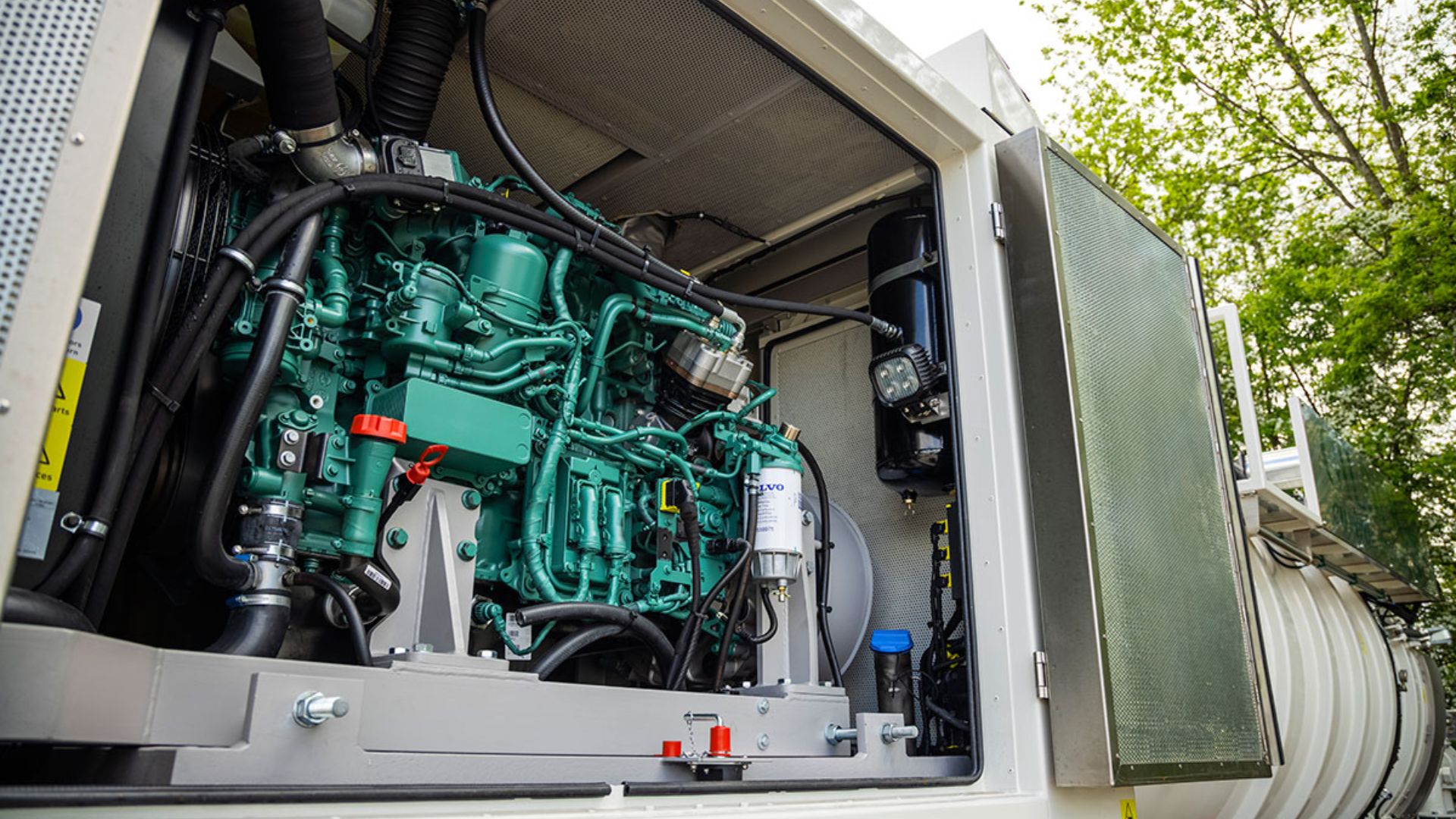
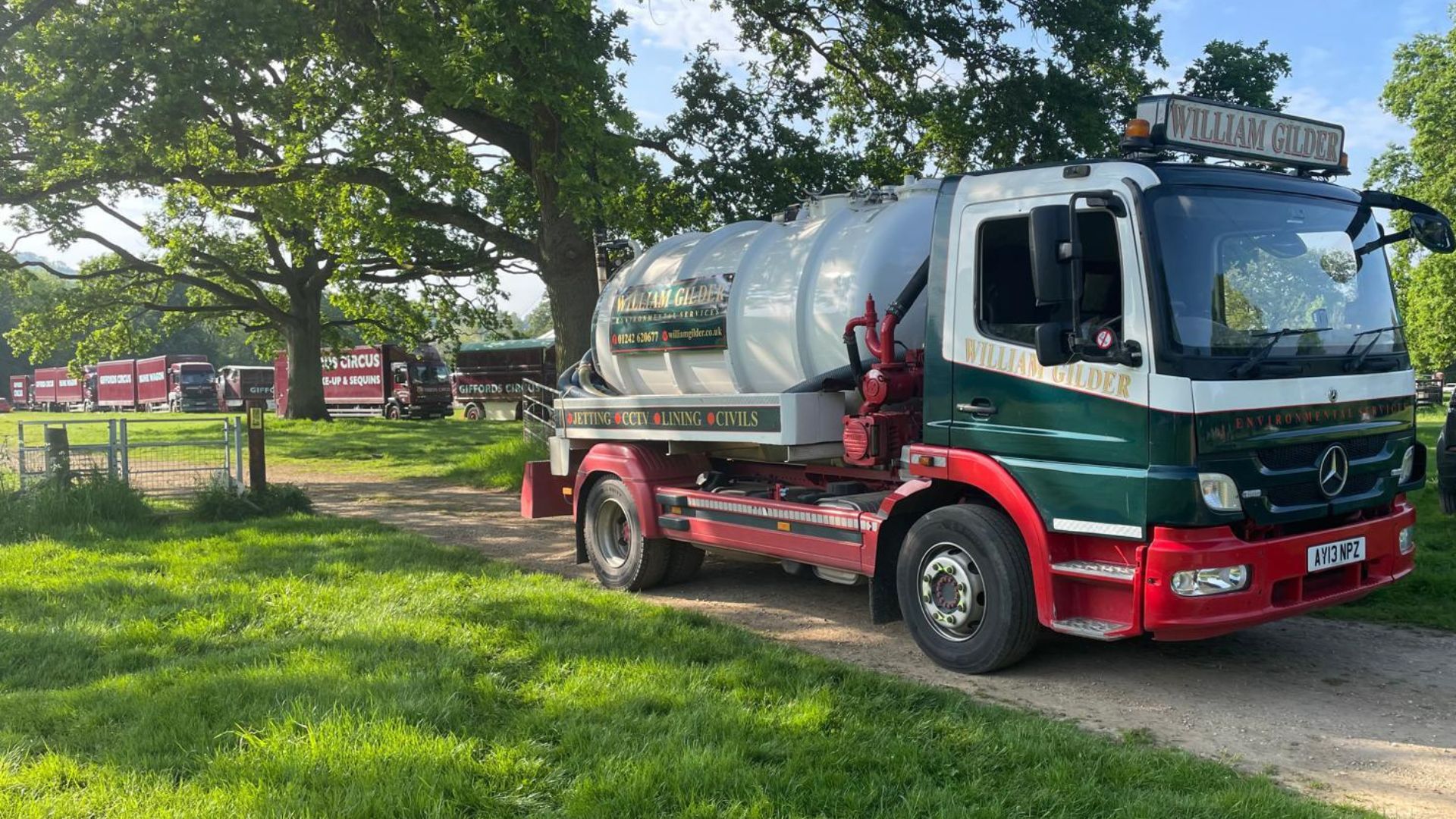
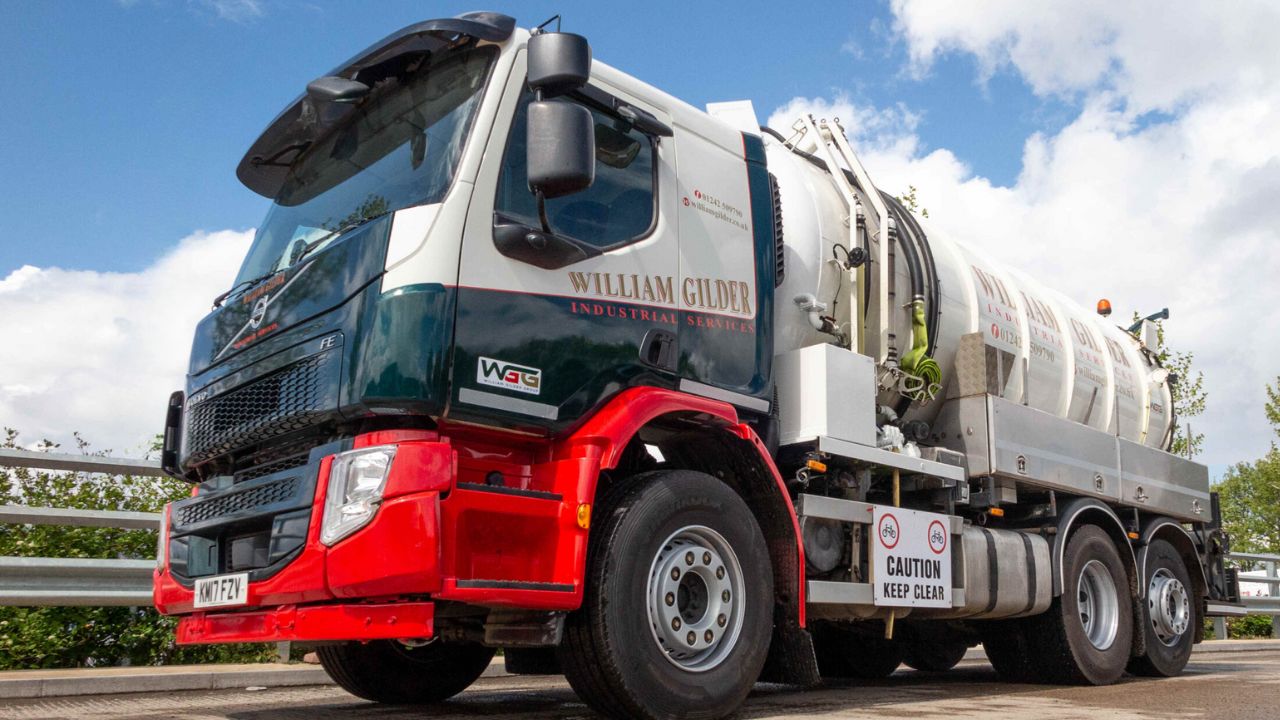
Vacuum extraction of sludge and scum using a specialist tanker.
-
Inspection of inlet and outlet pipes to confirm clear flow.
-
Visual check for cracks, displaced baffles, or structural issues.
-
Assessment of soakaway performance, where accessible.
-
Advice on maintenance, next steps, or remedial works if any issues are found.
A full service usually takes less than an hour and dramatically reduces the risk of emergency call-outs.
Are You Compliant With the 2020 Septic Tank Regulations?
The General Binding Rules, updated in 2020, require septic tanks to meet specific discharge standards. Key points include:
-
Tanks must not discharge directly to a watercourse such as a ditch or stream.
-
Any non-compliant system must be upgraded to a sewage treatment plant or redirected to a proper drainage field.
-
House sellers must provide written information about the system to buyers.
If you’re unsure whether your system complies, a professional assessment will provide clarity and recommendations.
When Should You Call a Specialist?
The following situations merit professional help:
-
Repeated slow drainage despite household troubleshooting.
-
Strong, persistent odours around the tank or garden.
-
Overflowing inspection chambers.
-
Suspected structural damage or soakaway failure.
-
Emergency backups inside the property.
-
Uncertainty about regulatory compliance.
A specialist can diagnose the root cause and recommend the most effective solution, from simple emptying to full system upgrades.
Septic Tank Services Available Across Gloucestershire
Homeowners in Cheltenham, Tewkesbury, Toddington, Winchcombe, Evesham and the wider county can access a full range of domestic wastewater services, including:
-
Scheduled and emergency septic tank emptying
-
Cesspit and holding-tank emptying
-
Soakaway assessments
-
CCTV drainage surveys to locate hidden faults
-
Environmentally compliant waste disposal at licensed treatment sites
Choosing a local specialist ensures rapid response times and knowledge of Gloucestershire’s drainage conditions.
Practical Tips to Prevent Septic Emergencies
-
Do not plant trees near the drainage field—roots can cause major structural damage.
-
Check gutters and downpipes to ensure rainwater isn’t directed into the system.
-
Record your emptying dates so you can book ahead of schedule.
-
Use water-efficient appliances to reduce daily load.
-
Know where your tank is located — you’ll save time and call-out costs during emergencies.
Conclusion: A Well-Maintained Septic Tank Protects Your Home and the Environment
Septic tanks are reliable, long-lasting systems when maintained correctly. Annual emptying, mindful water use, and quick action when problems arise will keep your tank functioning efficiently for decades. Gloucestershire’s mix of older properties and variable soil conditions makes routine care especially important, but with the right support, homeowners can enjoy trouble-free operation all year round.
If you need help with septic tank emptying, maintenance or inspections anywhere in Gloucestershire, professional support is always available.